Boost Your Dog’s Behavior with Positive Reinforcement: The Ultimate Training Method
Is there a better way to train your furry friend than with positive reinforcement dog training and food rewards? Absolutely not!
Positive reinforcement, which focuses on rewarding desired behaviors, is the best and most effective method out there.
It builds a strong bond based on trust and mutual respect, making your dog well-behaved and genuinely happy.
Classical conditioning and shock collar methods are not as humane or effective as positive reinforcement.
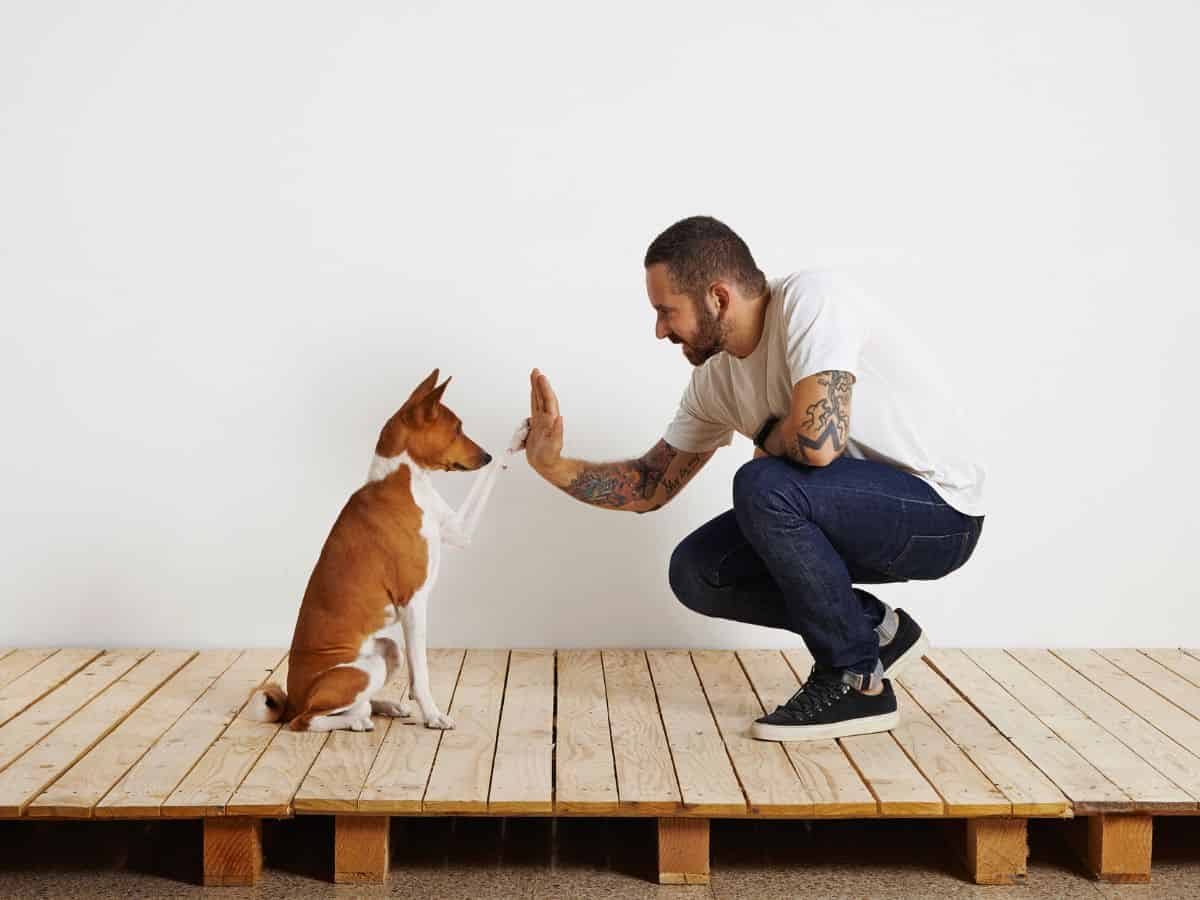
No more shock collars or prong collars that harm your pet. Positive reinforcement dog training promotes their overall well-being while teaching them new skills.
It’s no wonder why dog trainers and experts at Companion Animal Psychology swear by using food rewards for classical conditioning to reinforce good behaviors.
So, if you want to see your dog thrive and enjoy the training process, stick around for this article. We’ll delve into the wonders of positive reinforcement and how it can make both you and your pup jump for joy.
Let’s get started!
The Science Behind Positive Reinforcement
Positive reinforcement is a dog training method deeply rooted in the principles of behavioral psychology, specifically operant conditioning.
This scientific theory explains how behavior can be modified through consequences, such as food rewards.
Unlike classical conditioning, which focuses on involuntary responses to stimuli, operant conditioning deals with voluntary behaviors and their consequences, making it an effective approach for training dogs to work.

The core principle of positive reinforcement in companion animal psychology is simple: providing rewards to increase the likelihood of a behavior being repeated through classical conditioning.
These rewards can take various forms, such as treats, praise, or playtime, and are used as a training tool in balanced training.
By associating these rewards with desired behaviors, dogs learn to perform those behaviors more frequently.
One key advantage of positive reinforcement, such as using food rewards, over punishment-based methods is its long-lasting effect on learning and retention.
Numerous studies in companion animal psychology have shown that when dogs are trained using positive reinforcement techniques, they not only learn faster but also retain the learned behaviors for a longer time.
This indicates that positive reinforcement, like classical conditioning, creates a stronger bond between the dog and the desired behavior, making balanced training more effective.
In contrast, punishment-based methods in companion animal psychology rely on aversive stimuli to discourage unwanted behaviors.
While punishment may temporarily suppress certain behaviors, it often fails to address the underlying cause of the behaviour and doesn’t provide clear guidance on what actions should be taken instead.
This can lead to confusion and anxiety in dogs. Balanced training that incorporates food rewards is a more effective approach to modifying behaviour.
Positive reinforcement offers several benefits beyond just effective training outcomes. It fosters a positive relationship between the owner and their furry companion based on trust and mutual understanding.
Dogs trained using this method tend to exhibit higher levels of confidence and enthusiasm during training sessions, making it an effective way to encourage good behaviors.
Using food rewards as positive reinforcement can help reinforce desirable behavior while discouraging undesirable behavior.
Positive reinforcement, such as using food rewards, is a modern approach to promoting desirable behavior in dogs. It avoids unnecessary harm or distress and respects the dog’s autonomy.
By encouraging them to make choices that lead to desirable outcomes, it can help address bad behavior without the need for a collar.
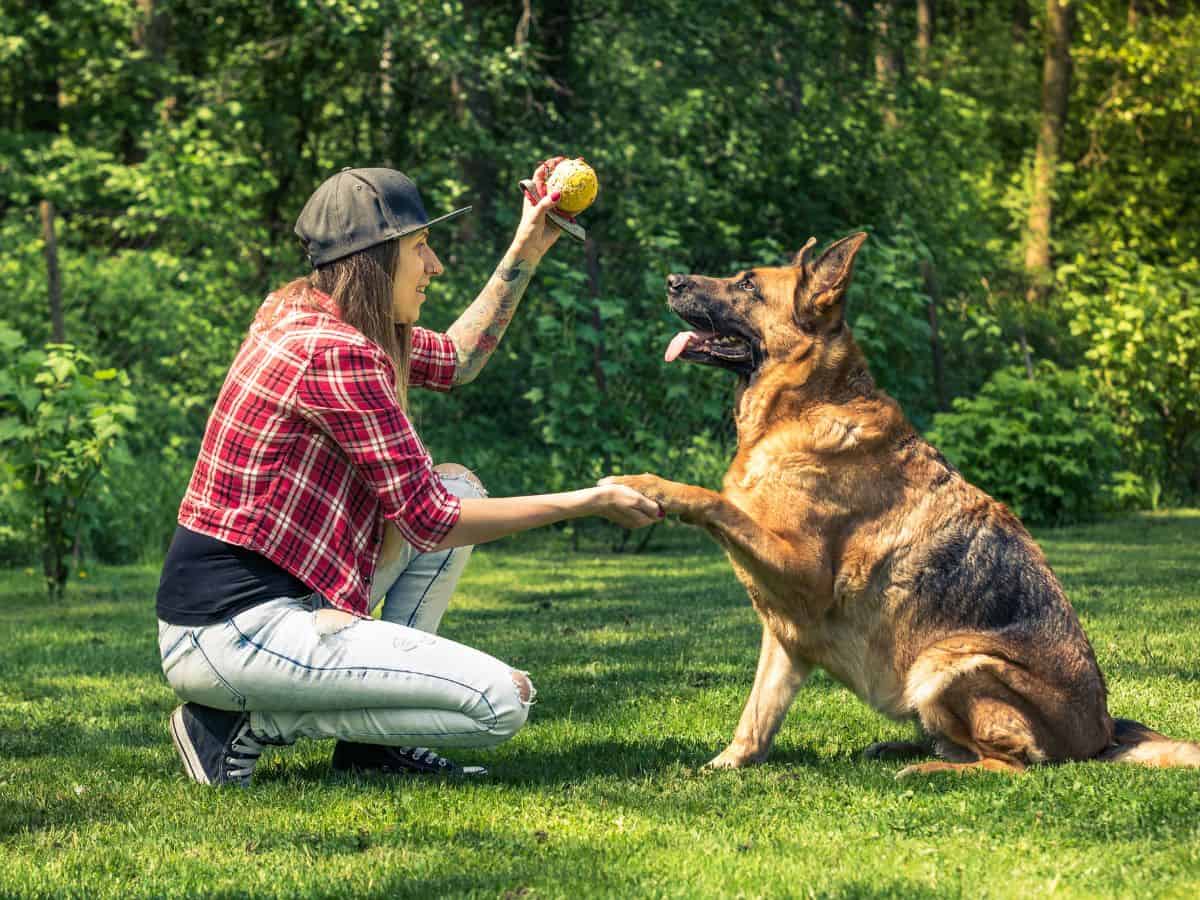
Another important aspect of positive reinforcement in companion animal psychology is its adaptability to different types of dogs and individual personalities.
Each dog’s behavior has unique needs and preferences, so trainers can tailor their approach accordingly by identifying specific rewards, such as food, that motivate each individual dog effectively and discourage bad behavior.
To illustrate the effectiveness of balanced dog training, consider these examples of positive reinforcement in action, using food rewards to shape desired behaviors in people.
- When using positive training techniques to teach a dog to sit, the trainer rewards the dog with a food treat each time it successfully follows the command. This helps in shaping the dog’s behavior and encourages them to repeat the desired action.
- During leash training, the owner praises and rewards their dog for walking calmly beside them without pulling on the collar. This positive reinforcement helps to reinforce good behavior and create a strong bond between the dog and the people. Additionally, using food rewards can be an effective way to motivate the dog during training sessions.
- To encourage proper bathroom habits, the owner uses positive training techniques and rewards their dog with verbal praise and food treats after it eliminates in the designated area. The collar is not used as a means of behavior correction.
Benefits of Positive Reinforcement Training
Positive reinforcement training is widely regarded as the best method for teaching and shaping a dog’s behavior.
This approach utilizes rewards and encouragement to create a positive learning environment, where dogs are motivated to learn and eager to please.
By focusing on positive reinforcement, we can effectively train our furry friends while promoting their overall well-being. This method is particularly effective for teaching dogs how to behave and respond to food and people.
Creating a Positive Learning Environment
Creating a positive learning environment is key for shaping dog behaviour.
With positive reinforcement training, dogs are rewarded for exhibiting desired behaviours, such as responding to commands related to food.
This encourages them to repeat those behaviours in order to receive more rewards related to food. By using treats, praise, or playtime as rewards, we can motivate our dogs and make the training process enjoyable for them.
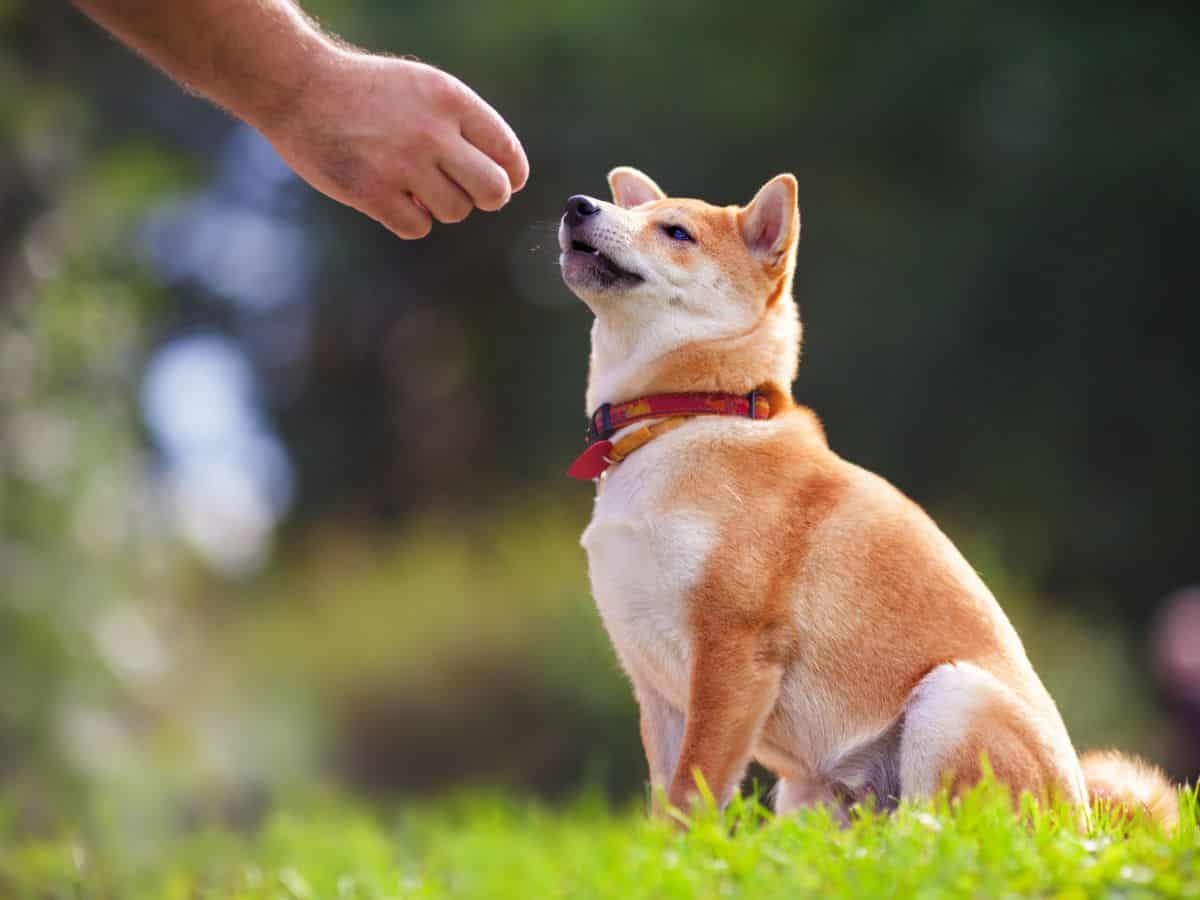
Unlike harsh training techniques that rely on punishment or dominance-based methods, positive reinforcement focuses on building trust and strengthening the bond between the owner and the dog.
Dogs respond better when they feel safe and loved, which positively impacts their ability to learn new commands and tricks. Using food rewards as positive reinforcement is an effective way to encourage desired behaviour in dogs.
Preventing Fear or Anxiety-Related Behavior Problems
One of the major advantages of positive reinforcement training is its ability to prevent fear or anxiety-related behavior problems in dogs.
Harsh training methods that involve physical punishment or intimidation can lead to long-lasting negative effects on a dog’s emotional well-being. When it comes to training dogs, positive reinforcement is key for shaping their behaviour and ensuring their overall well-being.
By using rewards and treats, we can encourage good behaviour and discourage negative behaviours, preventing fear or anxiety-related problems.
By using positive reinforcement techniques, we can help our dogs develop confidence and trust in us as their owners.
This reduces the likelihood of fearful reactions or anxiety-driven behaviors such as aggression or excessive barking.
Dogs trained with positive reinforcement are less likely to exhibit destructive tendencies or engage in attention-seeking behaviors related to food or fear.
Developing Good Manners, Obedience, and Socialization Skills
Another significant benefit of positive reinforcement training is that it promotes good manners, obedience, and improved socialization skills in dogs.
Through consistent use of rewards for desired behaviors, dogs learn what is expected of them in various food situations.
Positive reinforcement training is an enjoyable way to teach our dogs basic commands like “sit,” “stay,” and “come.”
It encourages dogs to listen and respond positively, leading to better obedience overall. This method often involves using food as a reward.
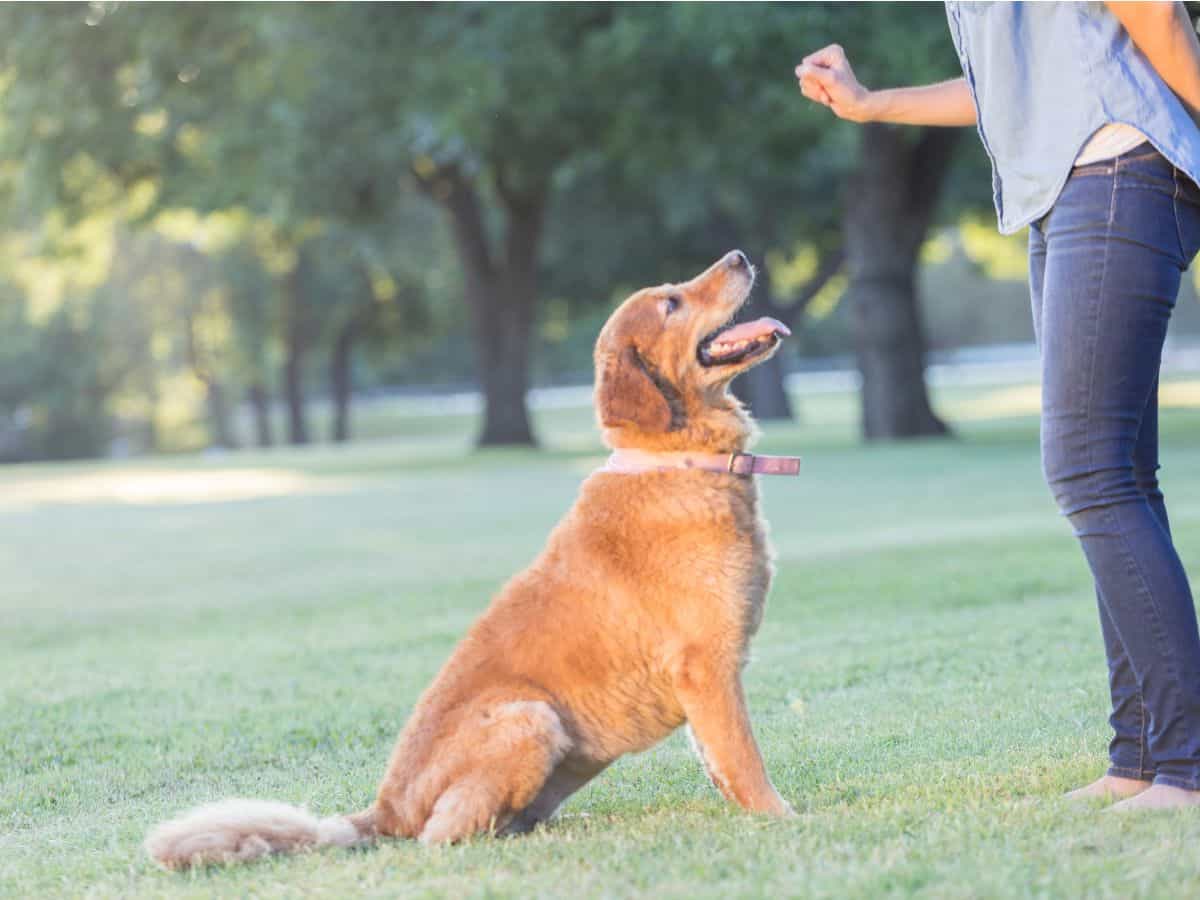
Furthermore, positive reinforcement training helps dogs become more well-rounded and socially adept in the context of food.
By rewarding them with food for appropriate interactions with other dogs and humans, we can improve their socialization skills and reduce the likelihood of aggressive or fearful behavior towards others when it comes to food.
Understanding Operant Conditioning: The Four Quadrants
Operant conditioning is a fundamental concept in dog training that involves the use of positive and negative stimuli to shape food behaviors.
This method can be broken down into four quadrants: positive reinforcement, negative reinforcement, positive punishment, and negative punishment.
Understanding these quadrants is crucial for effective training and establishing a strong bond with your furry friend.
Positive Reinforcement: Encouraging Desirable Behaviors
Positive reinforcement is an essential aspect of operant conditioning in dog training. It involves adding something desirable, such as food, after a behavior occurs to increase its frequency.
For example, if you want your dog to learn to sit on command, you would reward them with a treat or praise every time they successfully sit.
The beauty of positive reinforcement in dog training lies in its ability to create lasting behavioral changes without resorting to punitive measures.
By focusing on rewarding desired behaviors rather than punishing unwanted ones, dogs are more likely to associate training sessions with positivity, enthusiasm, and food.
Using positive reinforcement as the primary correction mode during training has several advantages for balanced dog trainers.
It helps keep the dog happy and motivated, without relying on harsh methods. Additionally, positive reinforcement can be used effectively when training dogs with food as a reward.
This approach is especially beneficial for overweight dogs, as it allows for controlled portions and healthier eating habits.
- Positive training using food builds trust and strengthens the bond between you and your dog.
- Enhances motivation and engagement during training sessions.
- Creates a positive learning environment where dogs actively seek out opportunities to exhibit desired behaviors, including food.
- Positive training methods, such as balanced dog training, help prevent anxiety or fear-based reactions that may arise from punishment-based methods used by balanced dog trainers. These methods often incorporate the use of food as a reward.
While treats and food are commonly used as rewards by dog trainers in positive reinforcement training, it’s important to remember that rewards can also include verbal praise, playtime, or any other form of positive interaction that motivates your furry companion.
Negative Reinforcement: Removing Unpleasant Stimuli
Positive training, which involves using food rewards, differs from punishment-based methods. It focuses on reinforcing desired behavior by providing an enjoyable stimulus.
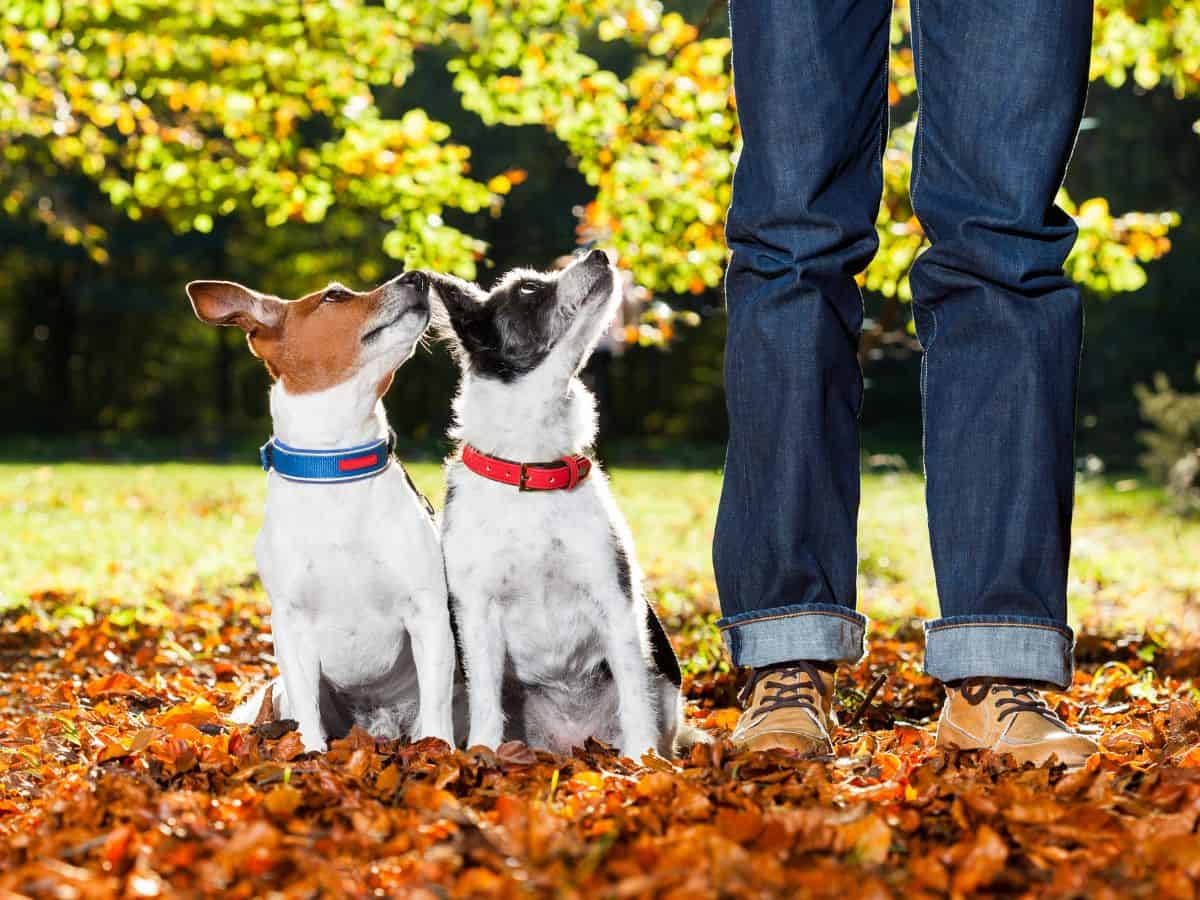
An example of positive training is giving your dog a treat when they stop pulling on the leash during walks.
It’s crucial to note that positive training, which involves the use of food rewards, is often misunderstood and mistakenly associated with punishment.
However, the key distinction lies in the fact that positive training focuses on removing an aversive stimulus, while balanced dog training aims to add an aversive stimulus.
While positive training and the use of food can be effective when used appropriately, it’s essential to ensure that your dog understands what behavior is being reinforced.
Consistency and clear communication are vital in positive training to prevent confusion and potential behavioral issues.
Positive Punishment: Discouraging Undesirable Behaviors
Balanced dog training involves using a combination of positive reinforcement and positive punishment to shape a dog’s behavior.
Positive punishment, such as adding an unpleasant stimulus, can be used to decrease unwanted behaviors by associating them with discomfort or displeasure.
However, it’s crucial to approach balanced dog training with caution to avoid unintended consequences like fear or aggression.
Examples of positive punishment include:
- A firm “no” or a loud noise is often used in balanced dog training and positive training to deter jumping on people. Additionally, using food as a reward can be an effective way to reinforce desired behaviors.
- A quick leash correction when your dog pulls during walks can be replaced with positive training using food.
- Time-outs or removal of attention for inappropriate behaviors.
While positive punishment may have immediate effects in suppressing undesirable behaviors, it should be used sparingly and always accompanied by positive reinforcement for desired alternatives.
Negative Punishment: Withdrawing Rewards
Negative punishment, also known as positive training, involves withdrawing a desirable stimulus after an undesired behavior occurs.
By removing something valuable from their environment, dogs learn that engaging in certain behaviors results in a loss of privileges.
Implementing Immediate Rewards for Behavior Proofing
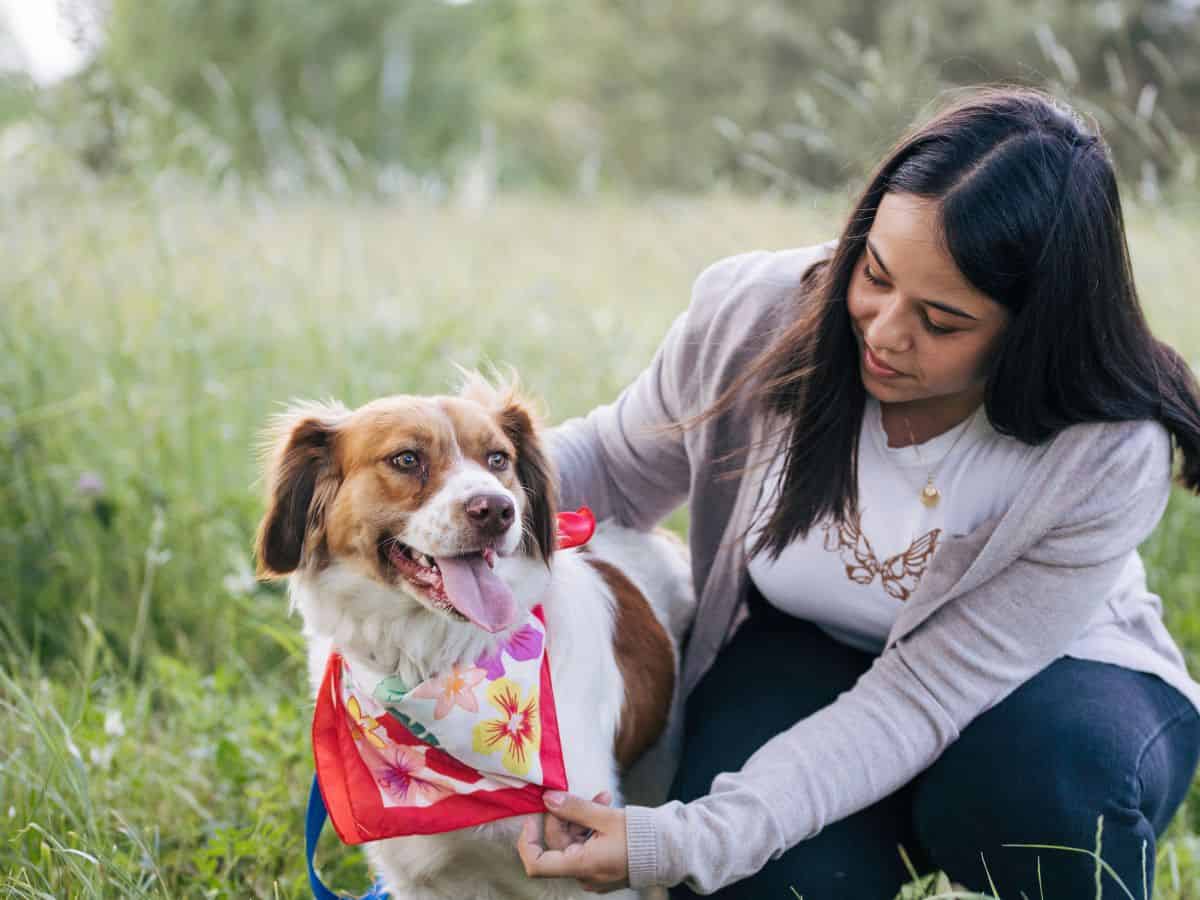
Implementing immediate rewards is an essential aspect of dog training. It helps reinforce the connection between the desired behavior and the reward in your dog’s mind, making it a powerful tool for effective training. By providing immediate rewards, you create a direct association that encourages your furry friend to repeat the desired behaviors.
Timing plays a crucial role when delivering rewards. For maximum impact, rewards should be given immediately after the correct behavior is performed.
This instant gratification allows your dog to understand precisely what they did right and reinforces their understanding of cause and effect.
When you delay rewards, it becomes challenging for your dog to associate them with specific behaviors, leading to confusion and potentially hindering progress.
Consistency in rewarding behaviors is key to solidifying them as habits over time.
Dogs thrive on routine and repetition, so consistently offering rewards when they exhibit desired behaviors helps them understand what is expected of them.
This consistency builds trust between you and your furry companion while reinforcing positive behaviors as second nature.
To effectively implement immediate rewards into your training routine, consider the following tips:
- Use high-value treats: Find treats that truly excite your dog and use them exclusively for training purposes. These special treats will have a more significant impact as immediate rewards since they are associated with positive experiences.
- Be clear with cues: Use clear verbal cues or hand signals to indicate which behavior you are rewarding. Consistent communication ensures that your dog understands exactly what action led to receiving the reward.
- Vary the types of rewards: While treats are often effective motivators, mix things up by incorporating other forms of positive reinforcement such as praise, petting, or playtime. This variety keeps training sessions engaging and prevents over-reliance on food-based incentives.
- Gradually reduce frequency: As behaviors become more ingrained, gradually reduce the frequency of immediate rewards while still intermittently reinforcing good behavior. This process helps transition your dog from relying solely on rewards to internalizing the desired behaviors as habits.
- Stay patient and persistent: Training takes time, and every dog learns at their own pace. Be patient, consistent, and persistent in your efforts. Celebrate even small victories along the way to keep both you and your furry friend motivated.
By implementing immediate rewards into your training routine, you create a positive learning environment for your dog.
The timely association of rewards with desired behaviors strengthens their understanding and encourages them to continue exhibiting those behaviors.
Remember to be consistent, use high-value treats, vary the types of rewards, gradually reduce frequency, and maintain patience throughout the training process.
With these techniques in place, positive reinforcement will prove to be the best method for shaping your dog’s behaviors effectively.
Treats as Motivators: Stocking Up and Timing Rewards
Treats play a vital role in positive reinforcement training sessions with your furry companion. They serve as powerful motivators that can encourage desired behaviors and create a strong bond between you and your dog.
However, it’s important to stock up on a variety of treats to ensure you can match the reward to your dog’s preferences and level of motivation.
Food treats are often the most effective choice. Dogs have an innate desire for food, making it an enticing incentive during training. By offering tasty morsels, you tap into their natural instincts and increase their eagerness to learn.
To get started, gather an assortment of treats that your dog finds irresistible. Experiment with different flavors, textures, and sizes to determine what truly captures their attention.
Some dogs may prefer soft treats while others enjoy crunchy ones. You can even try using small pieces of cooked meat or cheese if your pup is particularly food-motivated.
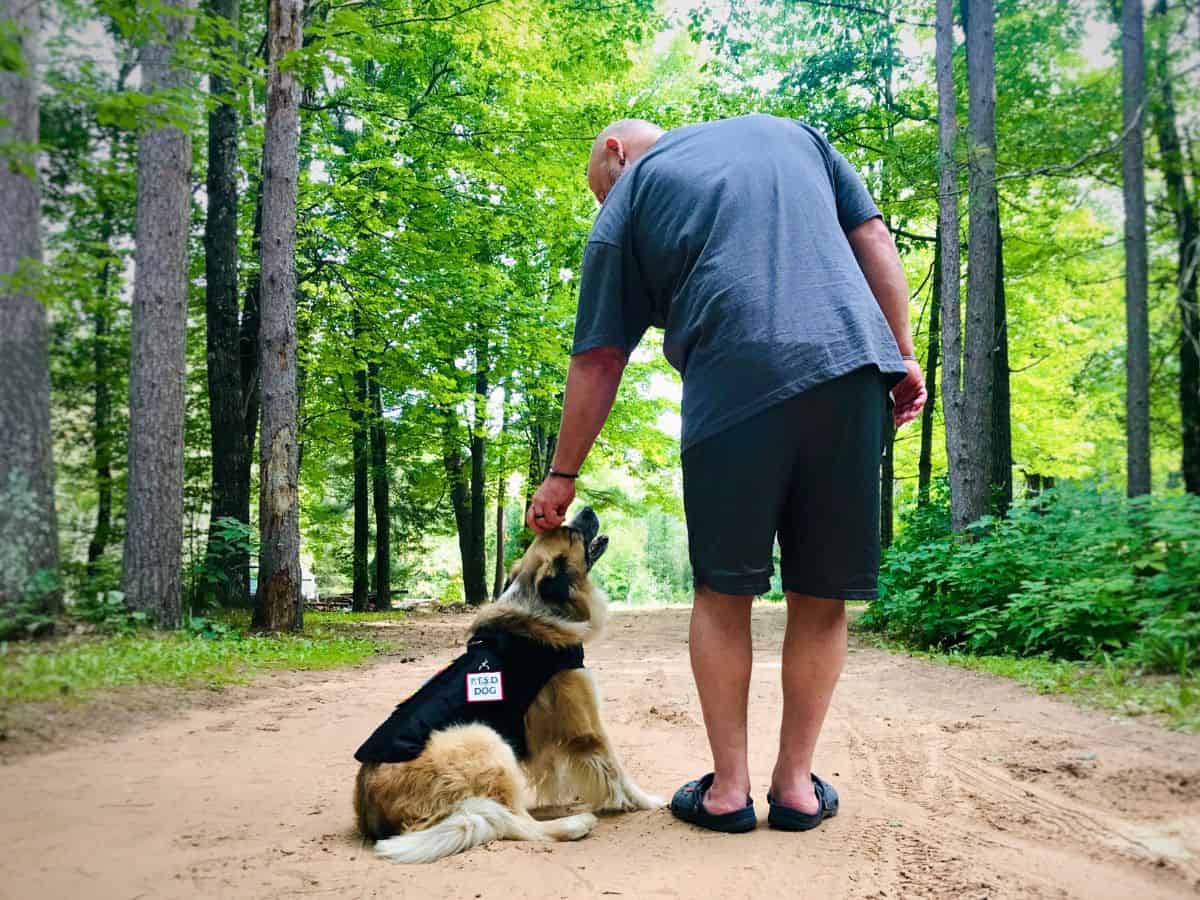
Timing is crucial when delivering treats during training sessions. The reward should be given promptly after the desired behavior occurs to reinforce it effectively.
This immediate association helps your dog understand which actions lead to positive outcomes.
Consider using cues or a clicker alongside treats to mark the desired behavior precisely. For example, if you’re teaching your dog to sit on command, say “sit” just before they perform the action and then give them a treat immediately afterward.
This consistent pairing of cue-behavior-reward helps establish clear communication between you and your canine companion.
Remember that timing extends beyond delivering the treat itself; it also involves considering when not to reward certain behaviors.
If your dog performs an undesired action or fails to respond correctly despite previous training, withhold the treat momentarily. This allows them to understand that only specific behaviors warrant rewards.
To ensure effective timing during training sessions, keep these tips in mind:
- Have treats within easy reach: Keep a pouch or bag of treats readily accessible so you can quickly reward your dog when they exhibit the desired behavior.
- Use a clicker: A clicker is a small handheld device that emits a distinctive sound. It can be used to mark the exact moment your dog performs the desired behavior, making it easier for them to understand what they’re being rewarded for.
- Be consistent: Consistency is key in positive reinforcement training. Always reward your dog immediately after they perform the desired behavior, reinforcing their understanding of cause and effect.
Involving Everyone in the Training Process
Consistency is essential in positive reinforcement training, so it’s important to involve everyone who interacts with your dog.
Family members and other caregivers should follow the same training methods and use consistent cues and rewards. This ensures that your dog receives clear and consistent messages, facilitating faster learning and better results.
Involving everyone in the process is crucial. Dogs thrive on routine and consistency, so having a unified approach from all family members and caregivers will greatly benefit their training progress.
By working together, you create an environment where your furry friend can learn effectively.
To start off, gather everyone who interacts with your dog regularly and discuss the training methods you’ll be using.
It’s important that everyone is on the same pageCues, rewards, and expectations. Consistency is key here – if one person uses a different command or reward system than others, it can confuse your dog and hinder their learning progress.
Once you’ve established a common understanding of the training methods, make sure that everyone follows through consistently.
For example, if “sit” is the cue for your dog to sit down, ensure that every family member uses this exact word instead of alternatives like “down” or “park it.” This avoids confusion for your pooch as they learn to associate specific cues with desired behaviors.
In addition to verbal cues, consistency should also extend to physical gestures or hand signals used during training sessions.
If one person uses a sweeping motion of their hand for “stay,” while another uses a raised palm gesture for the same command, it can lead to mixed signals for your furry companion. Stick to one agreed-upon signal per command across all trainers involved.
Reward systems are equally important. Decide on what rewards will be given for desired behaviors – whether it’s treats, praise, or playtime – and ensure that everyone follows this system consistently.
This helps your dog understand what behavior is being rewarded and reinforces their understanding of the desired outcome.
By involving everyone in the training process, you create a harmonious environment for your dog’s learning journey.
Consistent cues and rewards from all trainers will help your furry friend quickly grasp what is expected of them. It’s like having a team working together to support and guide your dog towards successful training outcomes.
Practical Tips for Effective Positive Reinforcement Training
Positive reinforcement is widely recognized as one of the most effective dog training methods. By rewarding desired behaviors, you can encourage your furry friend to repeat them and build a strong bond based on trust and respect.
To ensure successful positive reinforcement training, consider the following practical tips:
Use clear, concise commands or cues that are easy for your dog to understand.
When teaching your dog new behaviors, it’s crucial to use clear and concise commands or cues. Avoid using long phrases or complicated words that may confuse your pup.
Instead, opt for short and straightforward cues that are easy to remember and associate with specific actions.
For example:
- “Sit” instead of “Please sit down now.”
- “Stay” instead of “Wait here until I come back.”
Using consistent language will help your dog quickly grasp what you expect from them, making the training process smoother and more efficient.
Break down complex behaviors into smaller steps (shaping) to make learning more manageable for your dog.
Some behaviors can be complex for dogs to understand right away. To avoid overwhelming them, break down these behaviors into smaller steps through a technique called shaping.
Shaping involves gradually reinforcing successive approximations of the desired behavior until it is fully achieved.
Let’s say you want to teach your dog how to fetch an object:
- Start by rewarding any interaction with the object.
- Once they show interest in picking it up, reward them.
- Gradually increase the criteria by only rewarding when they touch their nose to the object.
- Finally, reward only when they pick it up with their mouth.
By breaking down complex behaviors into manageable steps, you set your dog up for success and prevent frustration during training sessions.
Vary the rewards you offer to keep your dog engaged and motivated throughout the training process.
To maintain high levels of engagement during positive reinforcement training, it’s essential to vary the rewards you offer. Dogs, like humans, can get bored with repetitive routines.
By introducing a variety of rewards, such as treats, praise, toys, or playtime, you keep your dog motivated and eager to learn.
Consider using a clicker during training sessions. Clicker training is a technique that pairs the sound of a clicker with positive reinforcement.
The click serves as an instant marker for desired behaviors and signals to your dog that they have earned a reward.
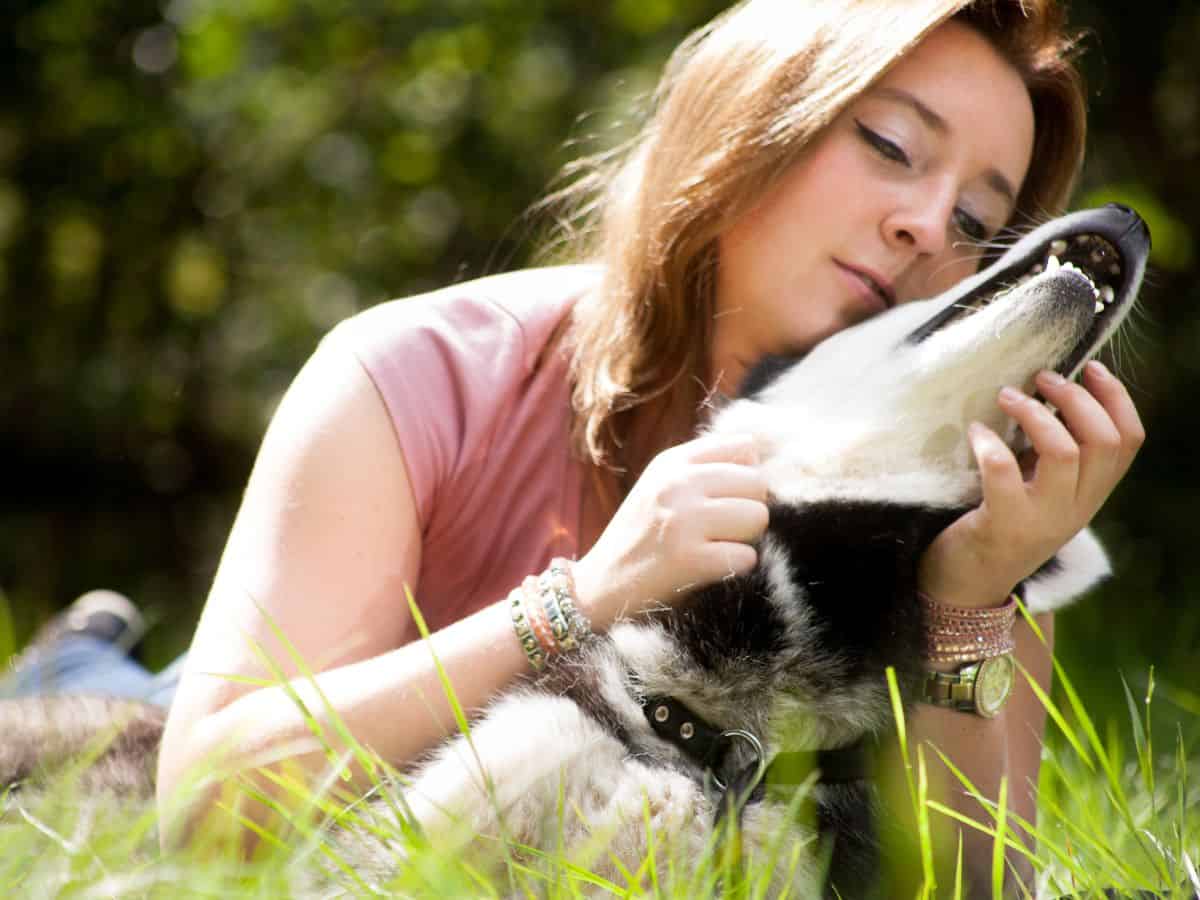
Remember that each dog has different preferences. Observe what motivates your furry companion the most and tailor your training accordingly.
Embracing Positive Reinforcement
Positive reinforcement is widely regarded as the best dog training method, offering numerous benefits for both you and your furry companion.
By utilizing positive reinforcement techniques, you can build a strong bond with your dog based on trust, respect, and cooperation.
One of the key advantages of positive reinforcement is that it promotes a positive emotional state in dogs during training sessions.
Instead of using negative reinforcement or punishment-based methods, which can induce fear and anxiety in dogs, positive reinforcement focuses on rewarding good behaviors. This approach creates a safe and enjoyable learning environment for your pup.
When you embrace positive reinforcement, you actively reward desirable behaviors exhibited by your dog. This can be done through verbal praise, petting, or even providing treats as a form of reward.
By consistently reinforcing good behavior, you encourage your dog to repeat those actions in order to receive more positive feedback.
The use of rewards instead of punishment also helps prevent negative behaviors from occurring or escalating further. Instead of punishing negative behavior through aversive methods like shock collars or yelling, positive reinforcement allows you to redirect your dog’s attention towards more appropriate actions.
For example, if your dog starts barking excessively at the doorbell ringing, rather than scolding them for their behavior, you can teach them an alternative response such as sitting quietly when the doorbell rings.
Positive reinforcement not only encourages good behavior but also strengthens the bond between you and your canine companion. Through this approach, you create a harmonious relationship built on love and understanding.
By focusing on rewarding good things instead of punishing negative behavior, your dog will associate training sessions with positivity and look forward to learning new commands and tricks.
Moreover, positive reinforcement aligns with how dogs naturally learn. Dogs are highly motivated by rewards and respond well to clear communication and consistency.
By using rewards to reinforce desired behaviors during training sessions, you make it easier for your furry friend to understand what is expected from them.
Keeping Training Fun: The Key to Engagement
Incorporating playtime and interactive games into training sessions is crucial for keeping them engaging and enjoyable for your dog.
Dogs are naturally playful creatures, so incorporating elements of fun into their training can make a world of difference in their enthusiasm and willingness to learn.
Using toys or incorporating physical activities can transform the learning process into a fun game rather than a chore. For example, you can use a treat-dispensing toy as a reward during training sessions.
This not only keeps your dog motivated but also adds an element of excitement and anticipation to the training experience. Similarly, playing fetch or hide-and-seek with specific commands incorporated can make the learning process more interactive and enjoyable for your furry friend.
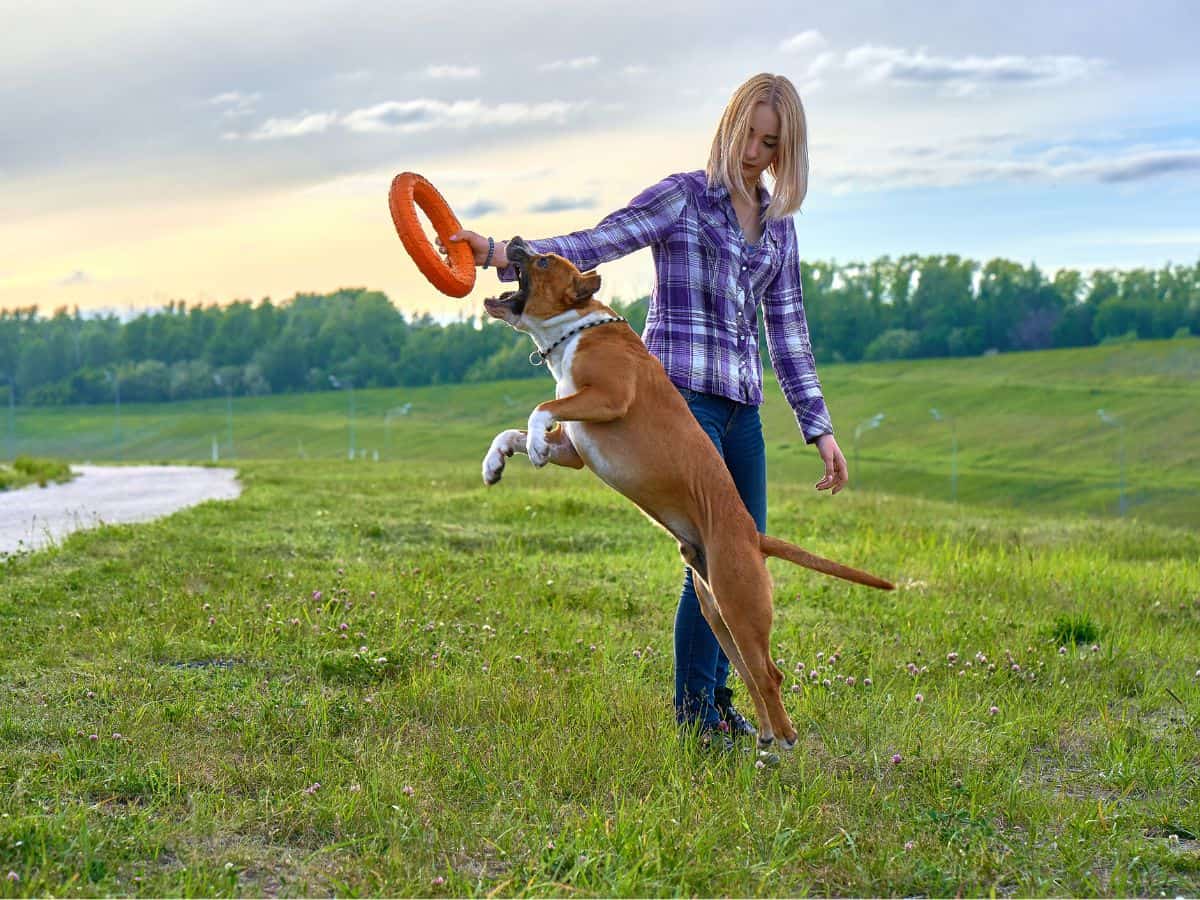
To maintain high levels of enthusiasm from your dog, it’s important to keep training sessions short but frequent. Dogs have relatively short attention spans, especially.
By keeping each session brief, you ensure that your dog remains engaged throughout the process. Aim for multiple shorter sessions spread throughout the day rather than one long session.
Varying the exercises and commands during each session helps prevent boredom and maintains your dog’s interest. Dogs thrive on novelty and enjoy new challenges, so introducing different activities or tricks will keep them mentally stimulated.
You can teach them basic obedience commands like sit, stay, or lie down using different methods each time. This not only makes the training more exciting but also helps reinforce their understanding of these essential commands.
Furthermore, incorporating positive reinforcement techniques such as praise, treats, or play as rewards during training encourages your dog’s active participation and eagerness to learn.
Positive reinforcement involves rewarding desired behaviors while ignoring or redirecting unwanted behaviors without punishment. This approach creates a positive association with training sessions in your dog’s mind.
Remember that every dog is unique, so it’s essential to tailor the training methods to suit their individual preferences and personality traits.
Some dogs may respond better to play-based training, while others may prefer food rewards. Observe your dog’s reactions and adjust your training approach accordingly to ensure maximum engagement.
Balanced Dog Training Tools and Effectiveness
Positive reinforcement is highly effective as a standalone method but can also be complemented by other balanced training tools if needed.
It’s important to find the right balance between positive reinforcement techniques and other tools that can enhance the learning experience for both you and your dog.
It’s crucial always to prioritize positive reinforcement techniques over aversive methods whenever possible. Dogs, just like humans, respond better to positive reinforcement rather than punishment-based approaches. By using rewards such as treats, praise, or playtime, you can motivate your dog to repeat desired behaviors. This not only strengthens the bond between you and your furry companion but also creates a positive learning environment.
When used correctly, balanced tools like clickers or target sticks can enhance communication and understanding between you and your dog. These training tools act as aids in reinforcing positive behavior without resorting to harsh measures. For example:
- Clickers: Clicker training involves using a small handheld device that emits a distinct clicking sound when pressed. The sound serves as an immediate marker for correct behavior, helping dogs associate the action with a reward. It allows for precise timing in rewarding desired behaviors.
- Target Sticks: Target stick training involves using a stick with a designated target at the end (e.g., a ball or treat). By teaching your dog to touch or follow the target stick with their nose or paw, you can guide them into performing various actions or tricks.
These balanced training tools are especially useful when dealing with specific challenges such as an overweight dog who needs exercise encouragement or one struggling with anxiety who requires confidence-building exercises.
Balanced dog trainers understand the importance of incorporating positive reinforcement techniques while utilizing these additional training tools effectively. They know how to strike the right balance by tailoring their approach based on each individual dog’s needs.
Conclusion: Embracing Positive Reinforcement as the Best Dog Training Method
Positive reinforcement is undoubtedly the most effective and humane approach to training your furry companion. By understanding the science behind positive reinforcement, you can unlock its full potential in shaping your dog’s behavior.
The benefits of this method are numerous, ranging from building a strong bond with your pet to fostering a happy and well-adjusted canine.

Operant conditioning, specifically the four quadrants, forms the foundation of positive reinforcement training. By utilizing immediate rewards for desired behaviors, you can reinforce positive actions and discourage unwanted ones.
Treats serve as powerful motivators during training sessions, so it’s essential to stock up on tasty incentives and time their delivery effectively.
Involving everyone in the training process ensures consistency and reinforces learning for your dog. Whether it’s family members or professional trainers, creating a united front will yield better results.
Implementing practical tips such as setting clear expectations and being patient will enhance the effectiveness of positive reinforcement.
Embracing positive reinforcement means prioritizing rewards over punishment. This approach fosters trust and respect between you and your canine companion while encouraging them to make good choices independently.
Keeping training fun is crucial for engagement. Dogs thrive on enjoyable experiences, so incorporating playfulness into sessions will keep them motivated and eager to learn.
Remember that every interaction with your dog is an opportunity for growth and development.
While there are various tools available for dog training, it’s important to recognize that balanced methods should be approached with caution.
Positive reinforcement stands out as a proven technique that promotes long-term behavioral changes without compromising your pet’s well-being.
In conclusion, embracing positive reinforcement as the best dog training method offers countless benefits for both you and your furry friend.
By understanding its principles, implementing practical tips, and keeping sessions enjoyable, you can create a harmonious relationship built on trust and mutual understanding.
So, start applying positive reinforcement today and witness the remarkable transformation in your dog’s behavior.
FAQs
Q: How long does it take to see results with positive reinforcement training?
Positive reinforcement training is highly effective, but the timeline for seeing results can vary depending on several factors. Each dog is unique, and their learning speed may differ. However, with consistent practice and patience, you can expect to see noticeable improvements within a few weeks or even sooner.
Q: Can positive reinforcement be used for all types of dogs?
Absolutely! Positive reinforcement is suitable for dogs of all breeds, ages, and temperaments. Whether you have a playful puppy or a mature dog, this method can be tailored to suit their individual needs and personality traits.
Q: Are treats the only form of reward in positive reinforcement training?
While treats are commonly used as rewards in positive reinforcement training due to their effectiveness and convenience, they are not the only form of reward. Verbal praise, petting, playtime, or access to favorite toys can also serve as valuable reinforcements during training sessions.
Q: Is professional help necessary for implementing positive reinforcement training?
While professional help is not always necessary for basic obedience training using positive reinforcement methods, it can be beneficial in certain situations. Professional trainers have extensive knowledge and experience in dog behavior and can provide guidance tailored to your specific needs.
Q: Can I use positive reinforcement alongside other training methods?
Positive reinforcement can be combined with other training methods; however, it’s important to ensure that any additional techniques used align with the principles of humane and ethical treatment of animals. It’s advisable to consult with a professional trainer when incorporating multiple approaches into your dog’s training regimen.